Plan the clean before you unpack
When access and the moving schedule allow, plan move-in cleaning before your boxes and furniture arrive. Empty rooms make it easier to see what needs attention and avoid placing belongings in areas you still want cleaned.
The purpose of a move-in checklist is not to prove every surface needs the same treatment. It is to coordinate the new home’s condition, the cleaning scope, and the sequence of your move.
Maid Bees offers move-in/move-out cleaning and recommends moving into a home that has been cleaned before the boxes arrive.
Confirm access before choosing the cleaning day
Start with the practical milestone: when can you enter the property and authorize the visit? Check when keys or access instructions will be available, whether building management needs to approve entry, and whether other work is scheduled.
Consider when movers and deliveries are expected and whether anyone else will be using the space. Leave room for access changes rather than treating an uncertain handover as a confirmed appointment window.
There is no single timing rule that fits every move. Avoid arranging cleaning before access is secure or while rooms are still being actively worked in.
Walk through before unpacking
When possible, look around while rooms and surfaces are visible. Keep cleaning observations separate from maintenance issues.
A damaged finish, appliance fault, or existing leak is not the same as a surface needing cleaning. Make two short lists: cleaning areas to discuss and property issues to raise with the appropriate person.
Optional photos or written notes can help keep a personal record, but cleaning should not be treated as a substitute for a property inspection.
Review the kitchen before filling storage areas
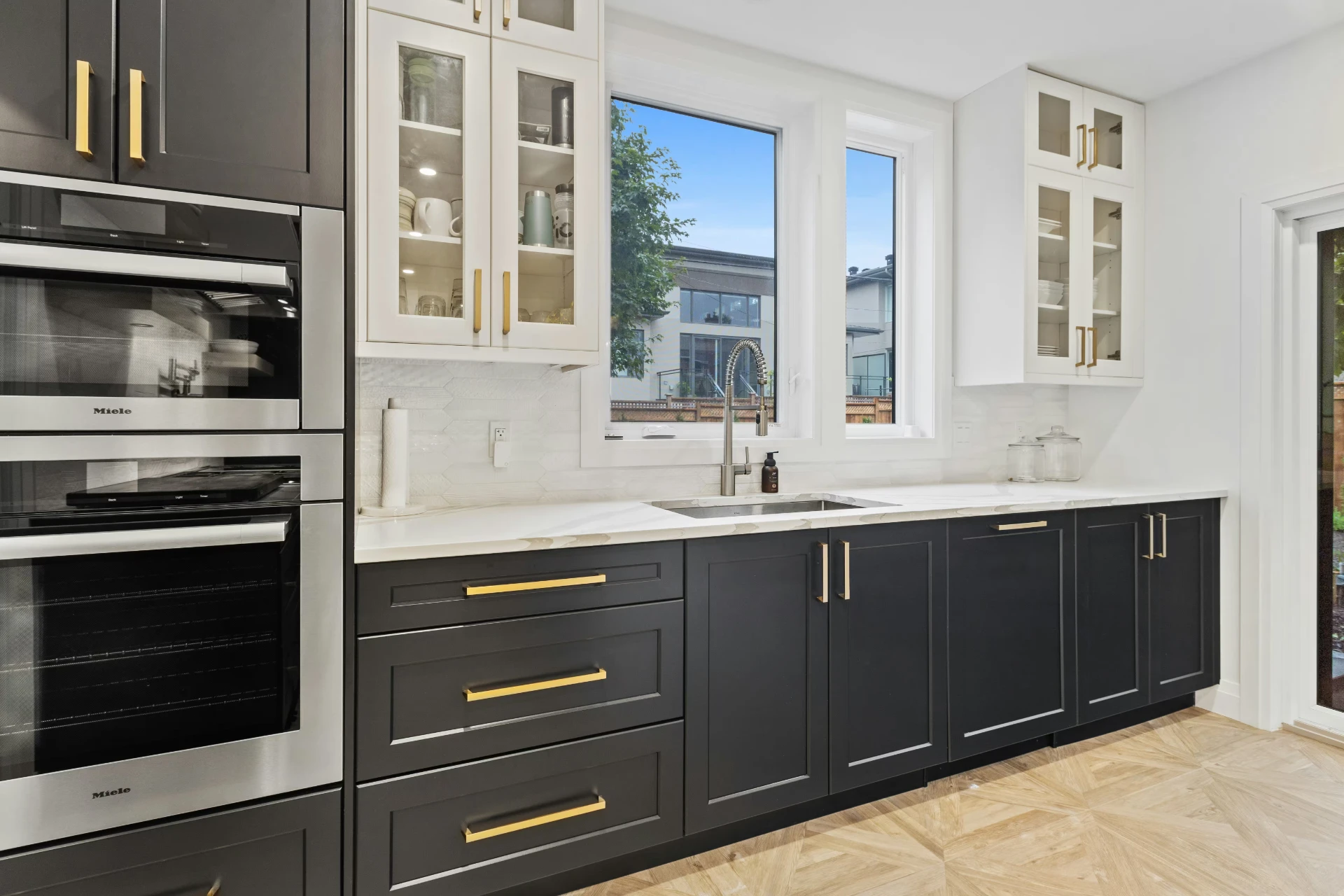
Before putting food, cookware, and utensils away, consider which surfaces you want reviewed. Look at countertops, cupboard fronts, the stovetop, sink, appliance surfaces, and the floor.
These align with areas named in Maid Bees’ published kitchen checklist. If you want cabinet interiors or a particular appliance interior addressed, confirm the scope before booking.
Do not assume a general reference to cabinets or appliances includes every internal surface. Deciding before unpacking avoids placing belongings in an area you later decide needs attention.
Note bathroom and bedroom priorities
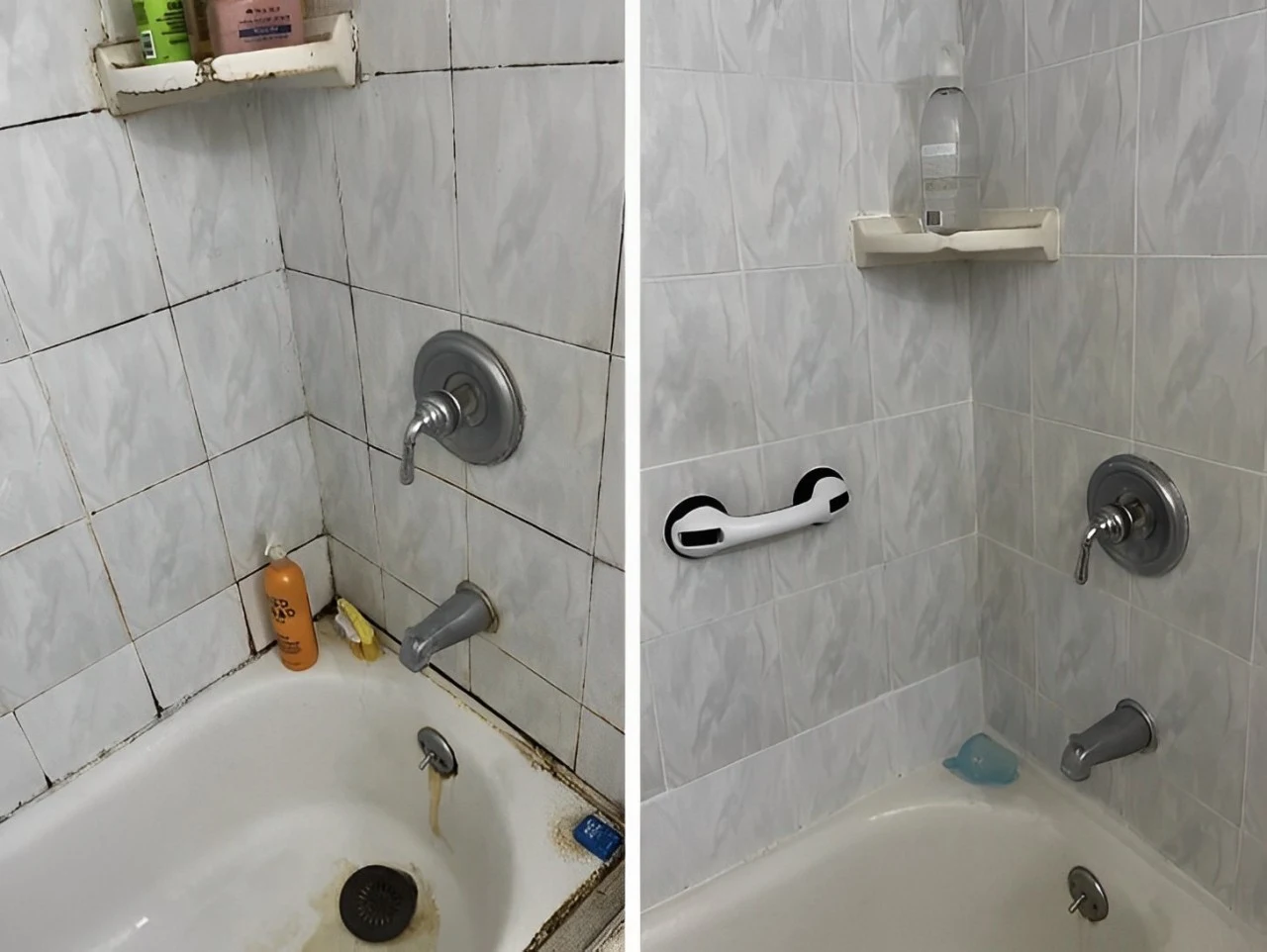
For your own walkthrough, review bathroom fixtures, visible surfaces, and floors. In bedrooms, look at accessible surfaces and areas furniture may soon cover.
These are planning prompts, not a promise every item you inspect is included. If a surface has special care instructions, share them.
If an issue appears to need maintenance rather than cleaning, keep it on the separate property list. You do not need to diagnose every mark to explain where you want attention.
Plan for an occupied home and confirm scope
Not every move offers an empty-home window. If furniture or boxes are already present, tell Maid Bees which rooms remain accessible and where belongings are concentrated. Ask how that affects the visit before assuming the same access as an empty property.
Maid Bees states it brings the cleaning supplies and equipment. Your useful preparation is mainly about information: how to enter, which areas matter most, what will already be in the home, and requests needing explicit scope confirmation.
As an optional step, keep new deliveries in a designated area so they do not spread across every room before cleaning.
Unpack in a deliberate order
After the cleaning visit, review your priority areas before filling them with belongings. Then unpack in the order that helps you use the home: perhaps the sleeping area, bathroom necessities, and everyday kitchen items first.
That is an optional moving strategy, not part of the cleaning service.
Confirm access, coordinate the sequence, and clarify the cleaning scope before furniture and boxes make those decisions harder.












 (571) 263-9408